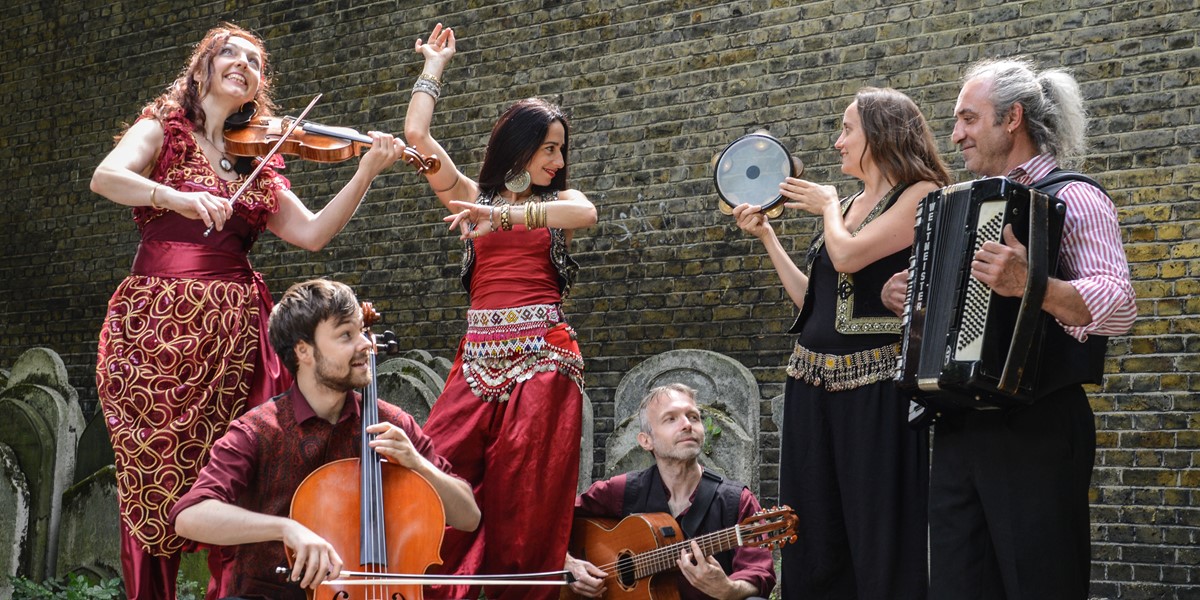
Music in Turkey is a rich tapestry woven from centuries of history, diverse cultures, and evolving modern trends. From the haunting melodies of traditional folk songs to the vibrant rhythms of contemporary pop, music plays a central role in Turkish daily life, celebrations, and cultural identity. In 2025, Turkey’s music scene continues to grow dynamically, blending historical influences with modern innovation while reaching audiences both locally and globally.
This article offers a comprehensive exploration of music in Turkey, covering traditional genres, modern pop, folk music, influential artists, and the role of digital platforms. Whether you are a local music enthusiast, a traveler curious about Turkish sounds, or someone looking to explore Turkish music online, this guide provides an in-depth look at the vibrant music culture in Turkey today.
The History and Evolution of Music in Turkey
Understanding the roots of music in Turkey requires looking back at its diverse history. The region has been a cultural crossroads for centuries, influencing music styles from Anatolia to the Mediterranean.
Ancient and Ottoman influences
Turkey’s music heritage dates back to ancient Anatolian civilizations. Folk instruments and regional melodies reflected local life, beliefs, and traditions. During the Ottoman Empire, classical music evolved significantly, combining Arabic, Persian, and Byzantine influences. Instruments such as the oud, ney, and kanun became central to Ottoman classical compositions.
Folk music traditions
Traditional Turkish folk music has always been tied to storytelling, local customs, and rituals. Each region developed unique styles, rhythms, and instruments. From the eastern provinces with their epic songs and dances to western Anatolia’s vibrant folk rhythms, these traditions remain alive in rural communities and urban performances.
Transition to modern music
The 20th century brought new influences to Turkey’s music scene. Western instruments, recording technologies, and international genres merged with traditional styles, giving rise to contemporary Turkish music, including pop, rock, and fusion genres.
Traditional Music of Turkey
Traditional music forms the backbone of the country’s musical heritage. Understanding these styles provides insight into Turkey’s cultural identity and regional diversity.
Regional folk music
Turkey’s folk music varies by region, with each area expressing local customs and stories through rhythm and melody. In the eastern provinces, songs often narrate heroic tales and love stories. Western Anatolia features lively dances, such as zeybek, performed during social gatherings and festivals.
Instruments in traditional music
Instruments define the unique sound of traditional Turkish music. Key instruments include:
- Oud: A stringed instrument used in both classical and folk music
- Ney: A reed flute central to spiritual and ceremonial music
- Kanun: A trapezoidal zither played in orchestras and folk ensembles
- Kemençe: A bowed string instrument popular in the Black Sea region
These instruments continue to influence contemporary compositions, blending old and new styles.
Music in cultural rituals
Music has historically been integral to ceremonies, weddings, and religious observances in Turkey. Folk songs accompany celebrations, while Sufi music and the Mevlevi whirling dervishes represent spiritual traditions, emphasizing music’s spiritual and communal importance.
Turkish Pop and Contemporary Music
Modern music in Turkey is heavily shaped by pop culture, television, and online streaming platforms. Turkish pop and contemporary music attract audiences both within the country and abroad.
Rise of Turkish pop
Turkish pop music emerged in the 1960s and 1970s, blending Western pop with local melodies and rhythms. Artists like Ajda Pekkan and Sezen Aksu helped define the genre, creating iconic songs that remain popular today.
Contemporary artists and trends
In 2025, contemporary Turkish music continues to thrive with artists experimenting across genres. Modern pop, indie, electronic, and fusion styles dominate charts. Platforms like Spotify, YouTube, and local streaming services allow artists to reach a global audience, increasing international recognition for Turkish music.
Influence of social media and online platforms
Streaming services have transformed how people experience Turkish music online. Playlists featuring popular songs in Turkey, live performances, and music videos allow fans to explore diverse genres easily. Social media also enables emerging artists to gain recognition rapidly, contributing to a dynamic music ecosystem.
Popular Songs and Music Culture in Turkey
Understanding the current music landscape requires examining what is trending and how music reflects Turkish society today.
Popular songs in Turkey
Charts in 2025 reflect a mix of traditional, pop, and fusion genres. Songs often blend classical Turkish instruments with electronic beats, creating innovative sounds that appeal to younger audiences while honoring cultural roots.
Music festivals and live performances
Turkey hosts numerous music festivals throughout the year, from classical and jazz events to pop and rock concerts. Istanbul, Antalya, and Izmir are key hubs, attracting both local talent and international performers. Live music venues continue to be central to Turkey’s music culture, offering fans intimate experiences with artists.
Role of music in daily life
Music is deeply embedded in Turkish society, from morning radio shows to wedding celebrations and family gatherings. Both traditional and modern forms play a role in maintaining cultural continuity while embracing contemporary tastes.
Exploring Regional Music Styles
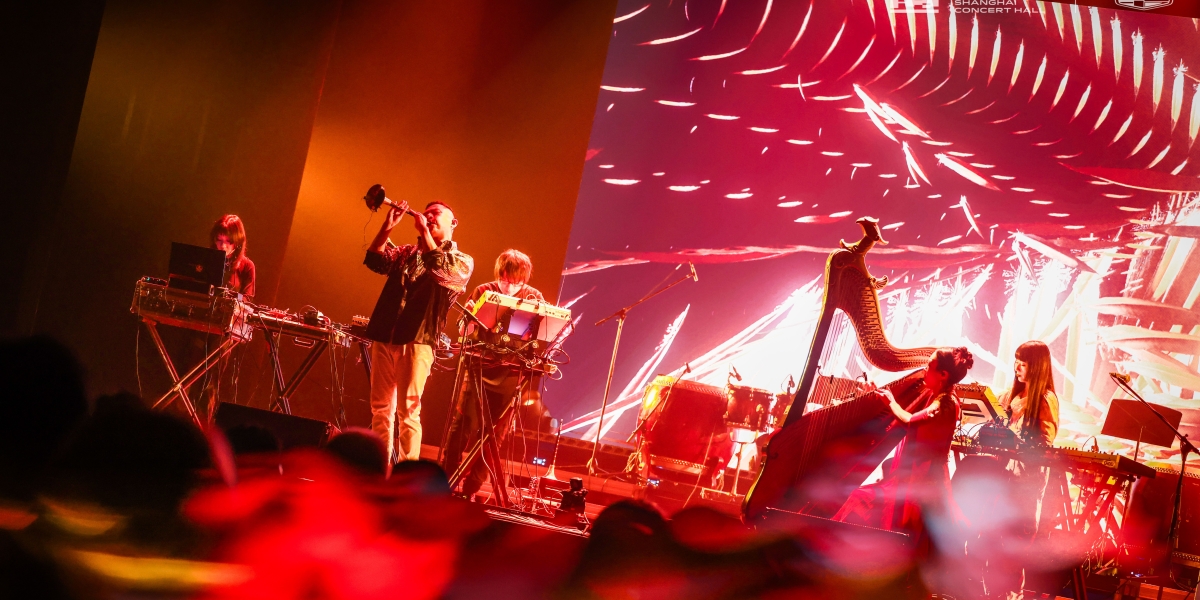
Turkey’s geographic diversity contributes to distinct regional music styles, each with unique rhythms, instruments, and performance traditions.
Eastern Anatolia
Songs from Eastern Anatolia often feature epic storytelling and the use of the kaval and davul. Themes of heroism, love, and nature are prevalent, preserving oral traditions through music.
The Black Sea region
The Black Sea region is known for its fast-paced, energetic folk dances accompanied by the kemençe. These performances are common at social gatherings, weddings, and regional festivals.
Central Anatolia
Central Anatolia’s music features zeybek dances and epic ballads. The region’s compositions emphasize storytelling, often performed at cultural ceremonies and local events.
Western Anatolia and the Aegean coast
Western Anatolia integrates lively melodies, folk instruments, and dance rhythms. The use of the bağlama, a traditional string instrument, is common in this region’s music, reflecting social and cultural identity.
Digital Era and Turkish Music Online
The digital age has transformed how people experience music in Turkey. Online platforms, streaming services, and social media are central to music consumption and discovery.
Streaming platforms
Spotify, YouTube, Fizy, and other Turkish streaming platforms provide easy access to diverse genres, from pop to traditional folk. Playlists curated for moods, genres, and artists help listeners explore music efficiently.
Online music communities
Social media platforms allow fans to connect with artists, share playlists, and discuss favorite songs. This fosters a vibrant community and encourages collaboration among emerging musicians.
Accessibility for global audiences
Online platforms have enabled Turkish music to reach international listeners. Fusion styles that blend traditional instruments with modern beats appeal to audiences worldwide, promoting cultural exchange and expanding the global reach of Turkish artists.
Preserving Tradition While Embracing Modernity
One of the defining features of music in Turkey is its ability to balance tradition with innovation. Folk music, classical compositions, and regional styles coexist with modern pop, indie, and electronic music.
Music education and preservation
Institutions and conservatories across Turkey teach traditional and modern music. Students learn classical Turkish instruments, folk dances, and contemporary composition, ensuring cultural continuity while fostering creativity.
Fusion genres
Artists increasingly blend traditional Turkish melodies with electronic, jazz, and pop elements. This fusion attracts younger audiences and keeps traditional instruments relevant in modern music production.
Cultural tourism and music
Music festivals, local performances, and cultural events are integral to Turkey’s tourism industry. Visitors experience authentic music in regional settings, contributing to cultural preservation and economic growth.
Conclusion: The Vibrant Soundscape of Music in Turkey
Music in Turkey is a rich and dynamic reflection of the country’s cultural heritage and contemporary trends. From ancient folk songs to modern pop and fusion styles, Turkish music offers a diverse listening experience that resonates both locally and internationally. In 2025, the music culture continues to evolve, blending tradition with innovation and reaching audiences through digital platforms.
Whether exploring the haunting melodies of traditional instruments, attending live performances, or streaming the latest hits online, music remains a central part of life in Turkey. By embracing both the old and the new, Turkey preserves its cultural identity while contributing to a global music conversation, ensuring that the sound of Turkish music continues to inspire for generations to come.