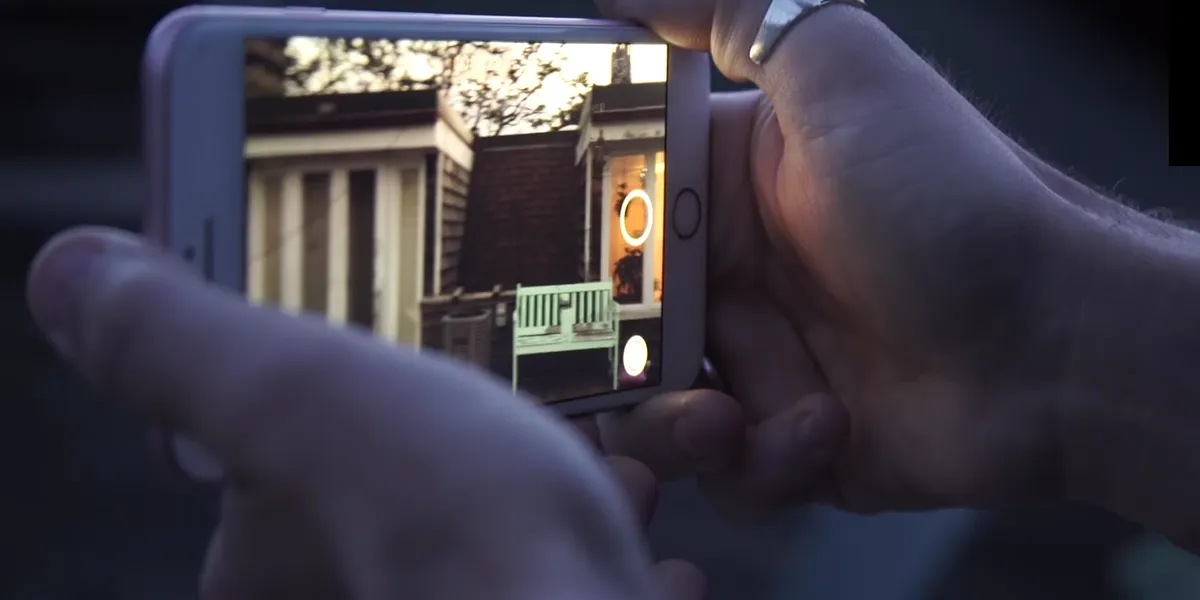
Mobile phone recording for content creators has become a cornerstone of social media, YouTube, and online marketing. Smartphones now offer powerful cameras and video capabilities that rival traditional equipment. For Turkish content creators, mastering mobile phone video recording can dramatically improve the quality of your content, grow your audience, and streamline your production workflow. Whether you are a beginner vlogger, social media influencer, or professional content creator, knowing how to maximize your smartphone’s recording potential is essential. This article dives into practical techniques, recommended settings, and tips for recording videos with your phone to create professional-level content. Why Mobile Phone Recording Matters for Content Creators Accessibility and Convenience Smartphones are portable, lightweight, and always within reach, allowing creators to capture content on the go. Unlike bulky cameras, mobile phone recording for content creators enables spontaneous shoots and flexibility in different environments. Quality Has Reached Professional Standards Modern smartphones come with high-resolution cameras, advanced stabilization, HDR capabilities, and AI-enhanced features. This means content creators can achieve cinematic-quality footage without investing in expensive gear. Cost Efficiency Investing in a professional camera and accessories can be expensive. Mobile phone filming for creators offers a budget-friendly alternative that still delivers excellent results, making it ideal for Turkish creators starting their journey or producing content consistently. Essential Equipment for Mobile Phone Recording Tripods and Stabilizers A tripod stabilizes your phone, preventing shaky footage, which is crucial for professional-looking videos. For on-the-move recording, gimbals or handheld stabilizers provide smooth cinematic movements. External Microphones Audio quality is just as important as video. External microphones, such as lavalier or shotgun mics, significantly enhance sound clarity, reducing background noise and ensuring your voice or music comes through cleanly. Lighting Tools Natural light is often sufficient, but ring lights or LED panels provide consistent lighting, reducing shadows and enhancing video quality. Adjustable lights allow creators to maintain a professional look in indoor and low-light settings. Accessories to Enhance Creativity Lenses, portable reflectors, and phone grips can elevate your video content. Wide-angle or macro lenses expand creative possibilities, allowing content creators to experiment with different styles and perspectives. Best Smartphone Settings for Video Recording Resolution and Frame Rate For content creators, shooting in 4K provides high-quality results and flexibility in editing. Frame rates of 30 or 60 fps are common; higher frame rates allow smooth slow-motion effects. Stabilization Settings Most smartphones include digital or optical image stabilization. Enabling these settings helps reduce shake, especially during handheld shooting. Exposure and Focus Control Manual focus and exposure controls prevent automatic adjustments that may disrupt the look of your footage. Locking focus and adjusting exposure according to lighting conditions ensures consistent video quality. Audio Settings If your phone supports it, select high-quality audio recording or use external microphones. Reducing background noise and selecting the correct audio source can make your content stand out. How to Record Videos with Your Phone for Content Creation Planning Your Content Effective mobile phone recording starts with planning. Define your video objectives, storyboard key scenes, and choose suitable locations. Planning reduces wasted footage and simplifies editing. Shooting Techniques Use a mix of static shots, pans, and close-ups to create dynamic videos. Experiment with angles to add variety and maintain viewer interest. Always check framing and composition to make your videos visually appealing. Utilizing Natural Light Whenever possible, shoot during golden hours — early morning or late afternoon — to achieve soft and flattering light. Avoid harsh midday sunlight, which can create unflattering shadows. Leveraging Smartphone Features Features such as slow-motion, time-lapse, portrait mode, and cinematic mode can add professional touches to your videos. Experimenting with these functions allows content creators to diversify their visual storytelling. Mobile Phone Filming Tips for YouTube and Social Media Keep It Short and Engaging Social media audiences prefer concise, attention-grabbing content. For platforms like Instagram, TikTok, or YouTube Shorts, aim to deliver your message quickly while maintaining quality. Optimize Video Orientation Vertical videos are ideal for social media, while horizontal is preferred for YouTube. Understanding platform-specific requirements ensures your content looks professional. Consistent Branding Use consistent color grading, fonts, and visual style across your videos. Even subtle elements like background or lighting patterns can reinforce your brand identity. Audio and Music Integration Adding background music or sound effects can enhance engagement. Always ensure audio levels are balanced and do not overpower your voice or primary message. Editing Tips for Mobile Phone Videos Use Mobile Editing Apps Apps like Kinemaster, CapCut, or Adobe Premiere Rush allow creators to edit directly on their phones. You can trim clips, adjust color grading, add transitions, and layer music without transferring files to a computer. Maintain Video Quality Export videos in high resolution to avoid compression loss. Keeping the original frame rate and resolution preserves professional quality for social media platforms. Apply Subtle Effects Avoid excessive filters or effects that may distract viewers. Focus on enhancing clarity, color balance, and pacing to maintain a polished look. Common Mistakes to Avoid in Mobile Phone Recording Shaky Footage Handheld recording without stabilization leads to unprofessional-looking videos. Always use a tripod or gimbal when possible. Poor Lighting Recording in dark or unevenly lit environments can reduce video quality. Plan lighting carefully and adjust your phone settings accordingly. Ignoring Audio Quality Many content creators overlook sound, but poor audio can ruin an otherwise great video. Investing in a microphone and monitoring audio levels is essential. Overcomplicating the Shot Simplicity often works best. Avoid cluttered frames and focus on clear storytelling. Effective mobile phone recording relies on intentional composition rather than excessive effects. Advanced Techniques for Content Creators Multi-Camera Recording Some creators use multiple phones to capture different angles simultaneously. This technique adds depth and versatility to video content without needing expensive equipment. Slow Motion and Time-Lapse These techniques allow creators to emphasize action or showcase processes creatively. Understanding when and how to use these features elevates video quality. Green Screen and AR Effects Advanced smartphone features now support virtual backgrounds and augmented reality overlays. Content creators can experiment with these tools for
Remote Podcast Recording Phone Only: The Ultimate Guide for Turkish Creators
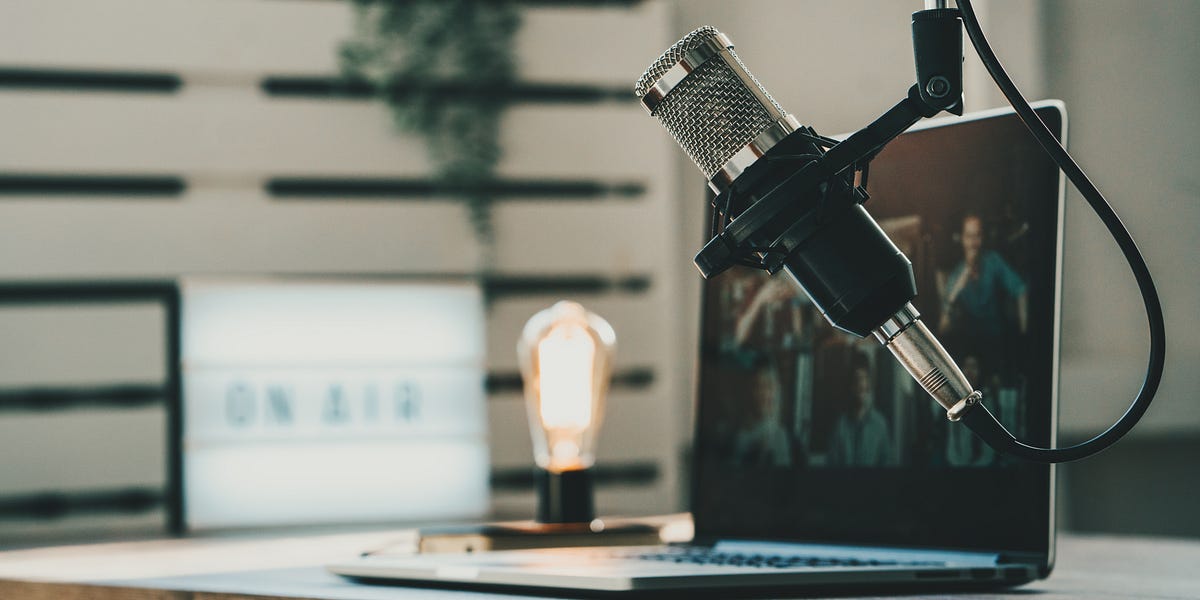
Podcasting has become one of the fastest-growing forms of digital content worldwide. In Turkey, creators are increasingly seeking efficient ways to produce high-quality episodes without investing in expensive studio equipment. The rise of mobile technology has made remote podcast recording phone only not just possible, but also practical and professional. Whether you are a solo podcaster or hosting interviews with multiple guests, your smartphone can serve as a complete recording setup. With the right tools, apps, and techniques, recording a podcast entirely on your phone allows Turkish creators to capture clear audio, edit content on the go, and publish episodes quickly. Remote podcasting is particularly valuable for collaborations across cities or countries, where scheduling in-person sessions may be challenging. This guide explores practical workflows, the best apps, recording tips, and setup advice to help you launch a professional podcast using just your mobile device. In this article, we will cover everything from selecting the best mobile apps, setting up a phone-only recording environment, tips for improving audio quality, remote podcast recording phone only interview techniques, editing and publishing, and strategies to engage your audience in Turkey. Why Remote Podcast Recording Phone Only is Popular in Turkey The convenience and affordability of recording podcasts on a phone make it appealing to creators in Turkey. Traditional studio setups require costly equipment, soundproofing, and technical knowledge, which can be a barrier for many new podcasters. Benefits of Mobile-Only Podcasting Portability: Record episodes anywhere, even while traveling Cost-effective: Avoid the expenses of professional studios Simplicity: Easy to set up with minimal technical knowledge Flexibility: Record solo episodes or conduct remote interviews seamlessly Turkish creators can take advantage of these benefits to grow their podcasting presence without investing heavily in equipment. Essential Equipment for Phone-Only Podcast Recording While it is possible to record using only a smartphone, some accessories can improve audio quality significantly. External Microphones Built-in phone microphones are convenient but often capture unwanted background noise. External microphones offer better sound clarity. Options include: USB or Lightning condenser microphones for iPhone and Android Lavalier microphones for mobile recording on the go Compact shotgun microphones for focused audio capture Headphones High-quality headphones allow you to monitor audio during recording and editing. Closed-back headphones are ideal as they prevent audio bleed and provide accurate sound representation. Pop Filters and Mini Stands Pop filters reduce plosive sounds when recording vocals, and small stands stabilize microphones. These additions can make mobile recordings sound more professional without adding bulk. Best Apps for Remote Podcast Recording on Phone Choosing the right mobile app is critical for recording, editing, and publishing podcasts. Several apps cater specifically to phone-only podcast recording. Top Apps for Turkish Podcasters Anchor: A popular free app with recording, editing, and publishing capabilities Spreaker Studio: Offers multitrack recording, live streaming, and distribution tools Podbean: Mobile-friendly recording and hosting solution Zencastr: Designed for remote interviews, supporting separate track recording Auphonic: Automatic audio leveling and noise reduction to improve quality These apps allow Turkish creators to handle everything from recording to publishing on a single device. Setting Up a Remote Podcast Recording Phone Only Creating a professional recording environment is key, even when using only a smartphone. Choose a Quiet Space Avoid rooms with echo or background noise Use soft furnishings to absorb sound Ensure consistent lighting and minimal distractions if recording video podcasts Microphone Positioning Keep the microphone 6–12 inches from your mouth Angle slightly off-axis to reduce plosive sounds Use a pop filter if possible Recording Settings Use high-quality audio formats like WAV or AAC Enable noise suppression or echo cancellation if available in your app Record a test clip to check levels before starting These simple adjustments can dramatically improve audio quality in a mobile-only setup. Remote Interviews Using Phone Only Podcasting often involves guest interviews, which can be challenging remotely. Tips for Successful Remote Recording Schedule recordings in advance and test internet connectivity Ask guests to use headphones to prevent echo and feedback Use apps like Zencastr or Anchor that record separate tracks for each participant Record a backup locally on your phone in case of connectivity issues Remote podcasting allows Turkish creators to collaborate with guests nationwide or internationally without travel constraints. Recording Techniques for High-Quality Audio Even with a smartphone, professional-sounding audio is achievable by applying proper recording techniques. Voice Control Maintain consistent distance from the microphone Speak clearly and avoid sudden changes in volume Warm up your voice before recording Background Noise Management Record in quiet rooms and close windows Turn off fans, air conditioners, or other noise sources Consider using mobile apps with noise reduction features Multi-Track Recording Record each participant on a separate track if possible Allows for precise editing and better control over audio balance These strategies help Turkish podcasters produce crisp, clear, and professional audio. Editing and Publishing Podcasts on Phone Editing podcasts entirely on a phone is convenient and efficient. Mobile Editing Tools Anchor: Trim, arrange, and add background music GarageBand (iOS): Advanced multitrack editing and effects WaveEditor (Android): Basic audio editing with filters and effects Publishing Tips Add metadata like episode title, description, and artwork Compress files appropriately for streaming Publish directly from your recording app to platforms like Spotify, Apple Podcasts, or Google Podcasts Using these tools, Turkish podcasters can maintain a fully mobile workflow from recording to distribution. Strategies to Engage Your Audience High-quality audio is important, but audience engagement drives podcast success. Content Planning Develop a content calendar to stay consistent Research topics relevant to Turkish listeners Invite local guests or experts to add credibility Promotion Share episodes on social media channels like Instagram, Twitter, and YouTube Encourage listeners to subscribe and leave reviews Use email newsletters to reach your audience directly Consistency, quality, and effective promotion help mobile-only podcasters in Turkey grow their listener base. Conclusion Remote podcast recording phone only has made it possible for Turkish creators to produce professional-quality content without expensive studios or complex setups. With the right accessories, apps, recording techniques, and workflow, anyone can start a podcast
Mobile Phone Studio Recording: The Ultimate Guide for Musicians in Turkey
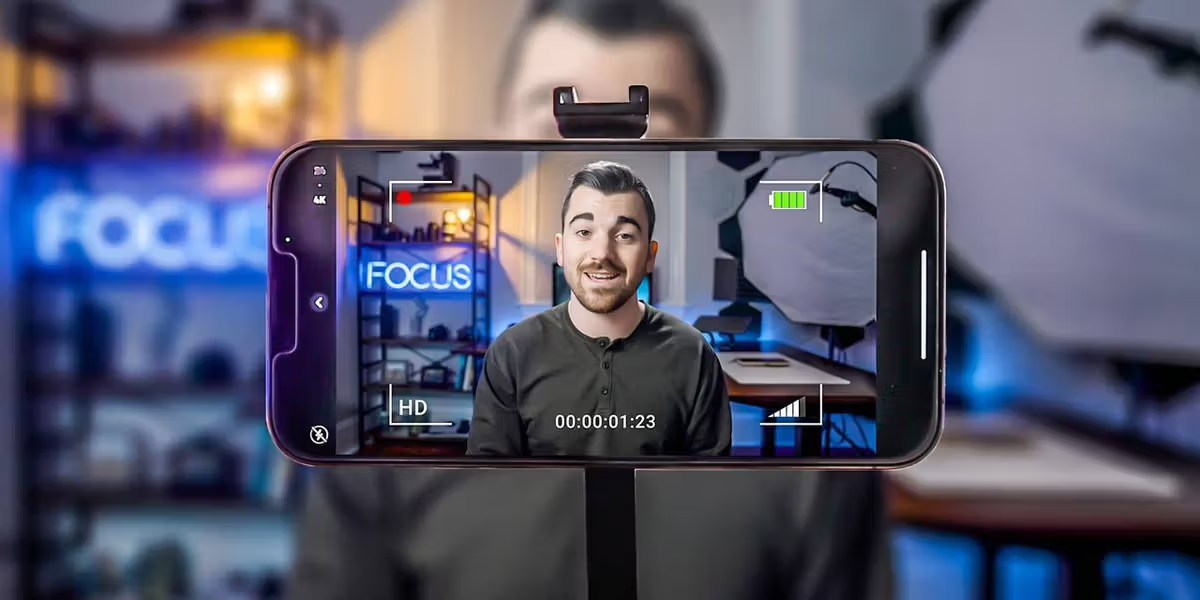
In 2025, creating high-quality music is no longer limited to professional studios. With the rise of advanced smartphones and powerful apps, mobile phone studio recording has become a viable option for musicians, producers, and content creators in Turkey. Whether you are recording vocals, mixing beats, or producing full tracks, your phone can serve as a compact, portable studio that delivers impressive results. This guide explores practical techniques, essential tools, and apps to help you achieve professional-quality recordings using just your mobile device. Mobile phone recording has evolved significantly in recent years. Modern smartphones come equipped with high-fidelity microphones, powerful processors, and audio interfaces that rival traditional home studio equipment. Turkish musicians, whether in Istanbul, Ankara, or smaller cities, now have the ability to record, edit, and produce music anywhere. Understanding the techniques, tools, and workflows for mobile phone studio recording ensures that you can maximize your creative potential without the high costs of a traditional recording studio. This article will cover everything from setting up a mobile recording studio at home, choosing the best apps, recording vocals, using audio interfaces, and mixing tracks entirely on your phone. Why Mobile Phone Studio Recording is a Game-Changer The appeal of mobile phone studio recording lies in its convenience, affordability, and accessibility. Traditional studio sessions can be expensive and require specialized equipment. By contrast, a mobile phone setup allows musicians to record anywhere, capture ideas instantly, and experiment without constraints. Benefits for Turkish Musicians Portability: Record music on the go, whether traveling or at home Cost-Effective: No need to rent a professional studio Flexibility: Experiment with multiple takes and sounds without pressure Instant Sharing: Share recordings with collaborators or on social media quickly This shift is particularly relevant in Turkey, where many emerging artists are exploring independent music production and distribution. Essential Equipment for Mobile Phone Studio Recording Even though your smartphone can handle much of the work, a few key accessories will improve the quality of your recordings. Microphones High-quality microphones significantly enhance audio capture. Options include: USB or Lightning Condenser Microphones: Plug directly into your phone for studio-quality sound Lavalier Mics: Small, portable, and ideal for voice recordings or interviews Shotgun Mics: Useful for capturing specific instruments or acoustic spaces Audio Interfaces Audio interfaces allow professional microphones and instruments to connect to your phone. Devices such as the iRig Pro or Focusrite iTrack Solo provide clear signal conversion and low latency. Headphones Closed-back headphones are essential for accurate monitoring during recording and mixing. Brands like Audio-Technica, Sony, and Beyerdynamic offer options that work well with mobile setups. Portable Stands and Pop Filters Stands stabilize microphones for consistent audio quality, while pop filters reduce plosive sounds when recording vocals. These small additions can dramatically improve the professionalism of your mobile recordings. Best Apps for Studio Recording on Phone The app ecosystem for mobile phone studio recording is extensive, offering everything from multitrack recording to mixing and mastering. Top Recommended Apps GarageBand: Popular among iPhone users for its intuitive interface and robust features FL Studio Mobile: Offers advanced beat-making, synths, and sequencing tools BandLab: Free, cloud-based, and ideal for collaboration with other musicians Cubasis: A professional DAW for mobile devices with MIDI support and effects Audio Evolution Mobile: Powerful multitrack recording and editing app These apps allow Turkish musicians to produce professional-sounding tracks directly on their phones, eliminating the need for a computer-based DAW. Home Studio Setup with Phone Setting up a mobile studio at home requires minimal space but careful planning to optimize acoustics and workflow. Room Considerations Choose a quiet space to minimize background noise Use soft furnishings or acoustic panels to reduce echo and reverb Ensure adequate lighting and ventilation for comfort during long sessions Workflow Tips Plan your recording sessions to avoid fatigue Record multiple takes and review them immediately on your phone Keep your phone fully charged or connected to power to avoid interruptions Even small spaces in apartments or dorms in Turkey can be converted into effective mobile studios with these strategies. Recording Music on Phone: Tips for Vocals and Instruments High-quality recordings depend on proper technique, even when using a mobile device. How to Record Vocals on Phone Position the microphone at an appropriate distance from your mouth Use a pop filter to reduce plosive sounds Record in a quiet environment to minimize noise Consider double-tracking vocals for fuller sound Recording Instruments Direct Input: Connect electric instruments through an audio interface Mic Placement: Use a condenser mic for acoustic instruments and experiment with angles Multi-Take Recording: Record several takes to choose the best performance Monitoring and Playback Always listen to recordings through headphones to identify issues with clarity, volume, or balance. Mobile Recording Setup for Musicians on the Go For musicians who travel frequently, a portable mobile recording setup ensures creativity is never interrupted. Essential On-the-Go Gear Compact condenser mic or lavalier mic Portable audio interface compatible with your phone Foldable microphone stand and pop filter Headphones with good isolation Workflow Tips Use cloud-based apps like BandLab to save and sync projects Record ideas immediately using a note-taking or voice memo app Keep cables and adapters organized in a small bag to avoid damage Turkish artists attending gigs, festivals, or collaborative sessions can benefit from a mobile setup that fits in a backpack. Mixing and Mastering on Your Phone Mobile apps allow not only recording but also mixing and mastering tracks. Mixing Techniques Balance levels of individual tracks Apply EQ to enhance clarity of vocals and instruments Use reverb and compression judiciously to polish your sound Mastering on Mobile Some apps, like BandLab and GarageBand, include built-in mastering presets Export your project in high-quality formats like WAV or FLAC Test the final mix on multiple devices to ensure consistency With the right workflow, Turkish musicians can release tracks that sound professional without ever touching a traditional studio console. Conclusion Mobile phone studio recording has transformed the way music is created, offering convenience, affordability, and professional-quality results. Turkish musicians now have access to advanced microphones, portable
Music Production Services: A Complete Guide for Artists and Creators in Turkey
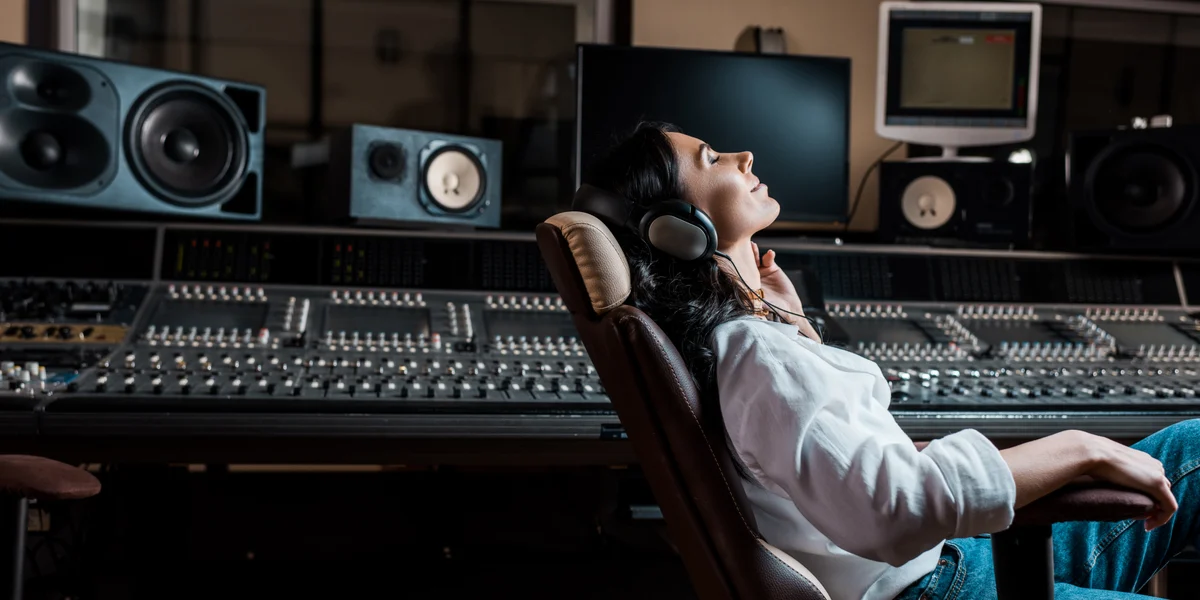
Music production services have become an essential part of the music industry in Turkey, offering artists, composers, and businesses the tools and expertise needed to create professional quality audio. From recording studios and vocal production to sound design and jingle creation, these services allow musicians to bring their creative visions to life with precision and polish. Understanding the range of music production services available, and how they work, is crucial for anyone looking to succeed in today’s competitive audio landscape. For Turkish musicians, emerging artists, and content creators, high quality production can make the difference between a track that resonates and one that falls flat. Music production services combine technology, creativity, and technical know how to transform raw ideas into finished pieces that are ready for streaming, broadcast, or commercial use. This guide will explore everything readers in Turkey want to know about music production services, from the types of services available to tips for choosing the right studio. Understanding Music Production Services Music production services encompass a broad range of professional offerings that help artists create, enhance, and finalize music projects. In Turkey, these services are not limited to traditional recording studios but also include digital audio production, sound design, and specialized services such as vocal recording and jingle production. What Music Production Services Include At its core, music production involves turning an idea into a polished track that is ready for release. Services can vary depending on the studio, the producer, and the specific needs of the client. Key offerings include: Recording and mixing vocals and instruments • Sound design and audio editing • Mastering final tracks for digital platforms • Composing music or arranging existing compositions • Creating jingles and audio branding for businesses Each of these services requires specialized skills, modern equipment, and creative insight. For Turkish artists seeking to compete both locally and internationally, investing in professional music production services ensures high quality results. Why Music Production Services Matter The quality of production can have a significant impact on how music is perceived by audiences. Well produced tracks are clear, balanced, and engaging, making them more likely to attract listeners, secure streaming success, and enhance the credibility of the artist. For businesses, professional audio production can strengthen branding and improve audience engagement. Popular Music Production Services in Turkey The Turkish music industry has seen rapid growth in professional production services. Musicians, composers, and businesses now have access to a variety of offerings that cater to different genres, budgets, and project scales. Audio Production Services Turkey Audio production services Turkey cover the full spectrum of music creation. From arranging compositions to mixing and mastering, professional studios ensure tracks meet global quality standards. Producers often provide guidance on musical arrangements, instrumentation, and the overall sound aesthetic. Music Recording Services Turkey Recording services are a fundamental part of any music production workflow. Professional studios offer high quality microphones, acoustic treatment, and advanced recording equipment to capture vocals and instruments with clarity. Recording engineers help artists perform their best while maintaining technical standards that make post production easier. Music Production Studio Turkey Music production studios in Turkey often combine traditional recording spaces with advanced digital audio workstations. These studios cater to all types of artists, from solo performers to full bands, and provide comprehensive services including recording, editing, mixing, and mastering. Many studios also offer remote production services for clients who cannot visit in person. Sound Design Services Turkey Sound design is increasingly important in modern music production. It involves creating unique audio elements such as synth textures, effects, and ambient sounds that enhance the overall musical experience. Sound designers work closely with composers and producers to develop original sounds that give a track its signature character. Vocal Recording and Production Turkey Vocals are often the centerpiece of a track, and professional vocal recording and production services ensure that every nuance is captured. Producers help with tuning, timing, harmonization, and layering to create polished, expressive vocal performances that stand out in a crowded market. Jingle Production Services Turkey Businesses and media companies frequently rely on jingle production services to create memorable audio branding. Professional producers can craft short, catchy, and impactful audio pieces that reinforce brand identity and enhance marketing campaigns. The Music Production Process Understanding how music production services work can help artists and businesses make informed decisions and collaborate effectively with producers. Pre Production: Planning and Arranging Pre production is the planning stage where ideas are organized and arrangements are mapped out. This phase often involves: Songwriting and composition • Selecting instrumentation and sounds • Creating a production plan and schedule A strong pre production phase can save time and ensure smoother recording sessions. Recording: Capturing Performance During the recording phase, artists perform vocals and instruments while engineers capture the audio with high quality equipment. Turkish studios often combine analog and digital recording techniques to achieve the best results. Proper mic placement, acoustic treatment, and performance coaching are critical during this stage. Editing and Mixing Editing involves cleaning up tracks, removing unwanted noise, and aligning timing. Mixing balances individual tracks to create a cohesive sound, adjusting levels, EQ, compression, and effects. Skilled mixing engineers transform raw recordings into polished tracks ready for mastering. Mastering: Finalizing the Track Mastering is the final step in music production. It ensures the track is balanced across all frequencies, optimized for streaming platforms, and maintains consistency across different playback systems. Mastering engineers add the final professional touch to ensure the music sounds great everywhere. Choosing the Right Music Production Services in Turkey Selecting the right studio or producer is essential for achieving high quality results. Turkish artists and businesses should consider several factors when choosing music production services. Experience and Portfolio Look for studios and producers with a strong portfolio of completed projects. Experience in the specific genre or type of production is crucial for achieving the desired sound. Equipment and Technology Modern music production requires professional microphones, audio interfaces, digital audio workstations, and monitoring systems. Studios with up to date